
Beer myths and facts: 7 common beliefs explained
Beer myths and facts have been debated for decades. “Beer has to be ice-cold.” “Old beer should be thrown away.” “Dark beer is always stronger than blond.” Sounds familiar? These are some of the most common things people say about beer, but are they actually true? Time to separate fact from fiction and take a closer look at some popular beer myths and facts.

Beer should always be ice-cold
Myth!
An ice-cold beer can be refreshing on a hot day, but temperatures that are too low suppress aromas and flavour. While a lager can certainly be enjoyed chilled, Trappist beers like Westmalle show their true character at 6–12 °C. Cool enough to stay fresh, warm enough to reveal their full taste.
If you drink your Trappist beer straight from a fridge set at 4–6 °C, you’ll miss out on some of its complexity. On the other hand, when beer gets too warm, the alcohol can dominate and affect the balance of flavour.
💡Tip: take your bottle of Westmalle out of the fridge about 15 minutes before serving, so it gently warms to the ideal temperature. Keep it closed so the carbonation stays intact.

Old beer should be thrown away
Myth!
Many people think beer becomes undrinkable after the best before date, but that’s not necessarily the case. The date mainly guarantees that the beer will keep its signature taste if it’s stored cool and dark. But even after that, it can still be perfectly drinkable, especially darker or stronger beers such as Westmalle Dubbel and Tripel.
Over time, hop aromas and bitterness fade, resulting in a softer, rounder taste. Beer exposed to oxygen can change in flavour, but with bottle conditioning — as in Westmalle beers — this risk is much lower. During secondary fermentation, the yeast consumes the oxygen in the bottle, helping preserve flavour and stability.
For the best experience, enjoy your beer before the best before date. But a well-stored bottle of Dubbel or Tripel that’s a few years old? That can develop beautifully. Curious? Read more in our blog post about how to store beer.
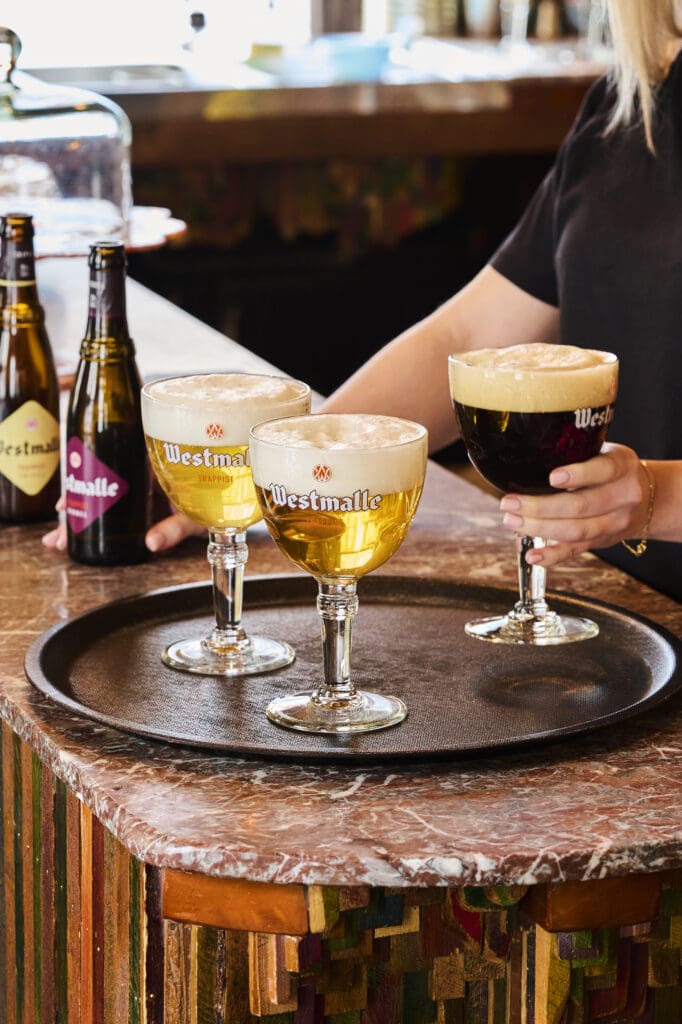
Dark beer is always stronger than blond beer
Myth!
Many drinkers associate dark beer with higher alcohol and heavier flavours. But the colour alone doesn’t tell you anything about the strength.
What determines alcohol content is the amount of sugar that the yeast converts into alcohol. The more fermentable sugars in the wort, the higher the alcohol level, and those sugars come mainly from malt. If a brewer wants a stronger beer, they use more malt. The brewing process itself also plays a big role.
At Westmalle, for example, we add a small amount of sugar before bottle conditioning. This gives the yeast extra nutrients to create alcohol, CO₂ and complex aromas, without making the beer sweeter.
So while a dark beer can be stronger, that’s not always the case. Colour reflects the ingredients, the type of malt or sugar, not necessarily the alcohol content. In short: don’t judge a beer by its colour. It’s the flavour that matters!

Draft beer tastes different from bottled beer
Fact!
Many beer lovers notice a difference between beer on tap and beer from the bottle. That’s because of a few factors:
-
Carbonation: draft beer usually has less carbonation, giving it a softer, creamier mouthfeel. Bottled beer, especially with secondary fermentation, develops more CO₂, creating a livelier, sparkling sensation.
-
Temperature: draft beer is often served colder, which can subtly affect the flavour.
-
Bottle conditioning: some beers, like Westmalle, undergo secondary fermentation in the bottle. This process allows the beer to evolve over time, deepening its aroma and complexity.
Tap beer often feels smoother and more drinkable, while bottled beer can develop a richer, more mature taste. Both have their charm, it just depends on your preference!
The right glass makes all the difference
Fact!
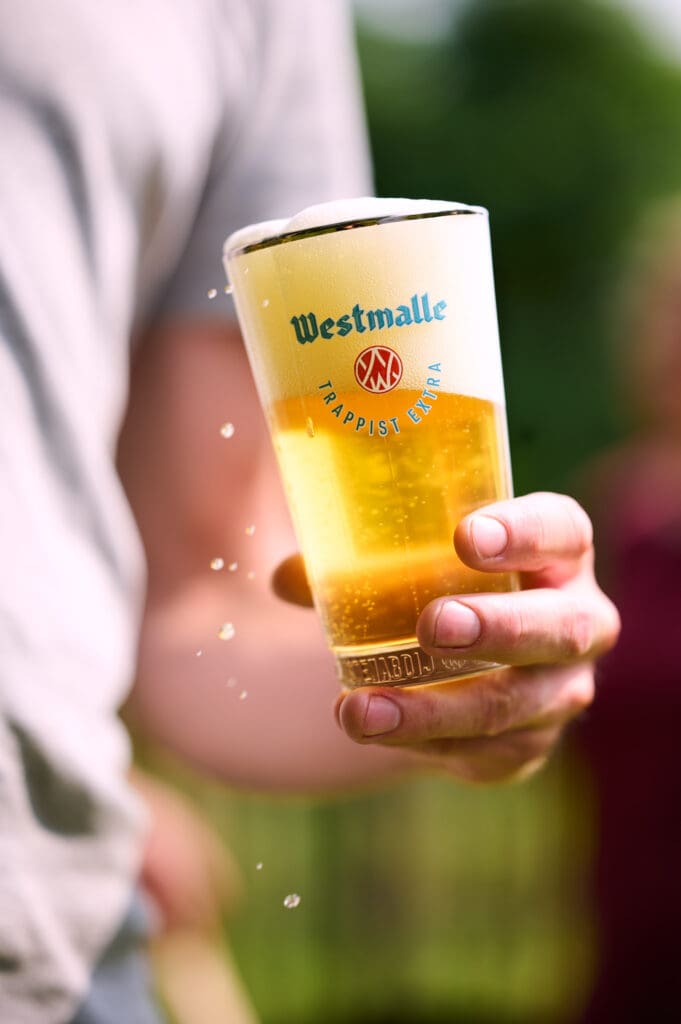
A proper beer glass can transform your drinking experience. Here’s why:
-
Aromas unfold better: in a glass, the beer can breathe, allowing the aromas to develop fully. You’ll smell — and taste — more than when drinking straight from the bottle.
-
Stable foam head: the shape of the glass helps create and maintain a good foam head, which not only looks appealing but also protects the beer from oxidation.
-
Ideal temperature: glass retains temperature better than a bottle held in your hand, so your beer stays cool longer.
The choice of glass is therefore not just aesthetic, it actively shapes the flavour experience. If you want to explore all the nuances of a beer, choose the right glass for the style.

Beer doesn’t pair well with food
Myth!
Beer is often seen as a casual drink, while wine tends to be the default choice for dining. Yet beer offers an incredible range of flavours — sweet, bitter, spicy, sour — that can elevate a meal in unexpected ways.
It also has one unique advantage: carbonation! The bubbles cleanse the palate and bring freshness to rich or spicy dishes.
Here are a few great pairings:
-
Westmalle Dubbel with stews or grilled meats
-
Westmalle Tripel with creamy cheeses or bold, spicy dishes
Try a beer pairing at your next dinner. You might be surprised by how well it works!

Beer should be stored lying down
Myth!
Unlike wine, beer is best stored upright. Here’s why:
-
The yeast sediment stays at the bottom instead of mixing into the beer.
-
It prevents unwanted oxidation through the bottle cap.
How to store beer properly:
✅ Upright
✅ In a dark place (light affects flavour negatively)
✅ At a steady temperature of 2–5 °C
UV light and heat speed up flavour changes, which is why beers are packaged in dark bottles. Want to keep your beer in top condition? Proper storage makes all the difference.
Conclusion
As with many beer myths and facts, the truth is often more nuanced than it seems. The ideal serving temperature, the right way to store beer, and the connection between colour and strength are all factors that change the way we see our favourite beers. The most important thing is to explore, discover your own taste, and enjoy your beer the way you like it.
Now that you know the truth behind these beer facts and myths, you can enjoy your next Westmalle — from the tap, from the bottle, or paired with your favourite dish — with full confidence.


